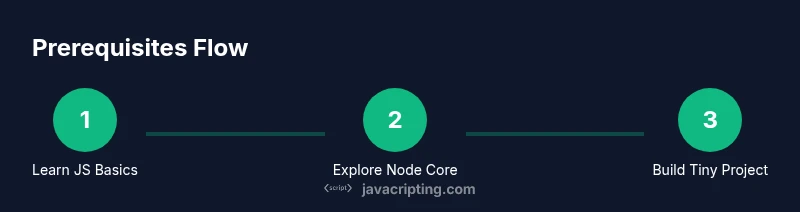
Do You Need to Learn JavaScript Before Node.js? A Practical Guide
Explore whether you should learn JavaScript before Node.js, with practical paths, essential concepts, and a step-by-step plan for beginners navigating server-side JavaScript.


What Node.js is and why it matters
Node.js is a JavaScript runtime built on the V8 engine that lets you run JavaScript outside the browser. It provides a rich set of modules for working with the file system, network, databases, and utilities, enabling you to build back-end services, APIs, CLI tools, and automation scripts. Because Node.js uses JavaScript, your existing language skills transfer, but you’ll encounter server-side patterns, non-browser APIs, and asynchronous workflows that require a slightly different mindset. Understanding non-blocking I/O, event-driven architecture, and npm-based tooling will help you create scalable apps. For aspiring developers, mastering Node.js opens doors to full-stack roles and modern JavaScript ecosystems, making it a practical next step after learning basic JavaScript. In short, Node.js extends JavaScript from the browser to the server, enabling you to write full-stack JavaScript efficiently. This article focuses on practical learning paths you can follow without unnecessary detours, helping you measure progress along a real-world path.
wordCountNotePlaceholder