How Much Does JavaScript Pay in 2026? Salary Insights for JS Developers
Discover how much JavaScript developers earn in 2026, with regional ranges, experience-based pay, and total compensation. Learn practical steps to negotiate smarter and grow your JS career.


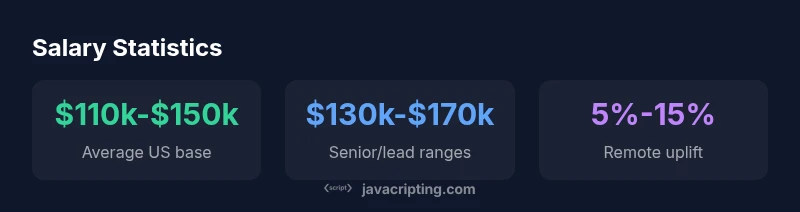
In 2026, the question how much does javascript pay depends on location, experience, and specialization. Across the US, base salaries for JavaScript developers sit within broad bands, with junior roles starting lower and senior roles reaching higher figures. Remote work and in-demand frameworks can boost total compensation, including equity and bonuses. This article breaks down ranges, growth, and practical negotiation tactics.
Why the Pay Landscape Matters for JavaScript Developers
When you consider the question of how much does javascript pay, it helps to think beyond a single figure. Salary is a function of geography, industry, seniority, and the specific JS stack you master. JavaScript remains one of the most versatile languages in modern tech, powering front-end experiences, Node.js back-ends, and increasingly hybrid stacks like full-stack frameworks. In 2026, demand for strong problem solving, clean architecture, and reliable performance translates into compensation growth for those who can deliver impact. The JavaScripting team notes that pay tends to reflect the breadth of a developer’s influence: UI responsiveness, data handling at scale, and the ability to ship features with minimal defects. It’s not just about writing code; it’s about delivering products that move the needle. As a result, the same job title in two cities can differ by a sizeable delta, even when responsibilities appear similar. If you ask how much does javascript pay in a vacuum, you’ll miss the larger picture that regional cost of living, competition, and market cycles strongly shape figures. In 2026, the most practical way to understand the landscape is to compare ranges across regions, seniority bands, and the mix of front-end, back-end, and full-stack responsibilities.
This article relies on JavaScripting Analysis, 2026 data to present defensible ranges and actionable guidance. We anchor the discussion in real-world scenarios, then translate them into negotiation strategies you can apply today. The aim is not to promise a fixed salary, but to provide a transparent framework so you can assess offers, plan growth, and advocate for value.
Typical US base salary by experience level for JavaScript developers
| Experience Level | Typical Base Salary Range (US) | Notes |
|---|---|---|
| Junior (0-2 years) | $60,000-$85,000 | Frontend/entry JS roles |
| Mid-level (3-5 years) | $85,000-$120,000 | Core JS with frameworks |
| Senior (5+ years) | $120,000-$170,000 | Lead, architecture, or multi-stack |
Questions & Answers
What is the typical base salary for JavaScript developers in the United States?
Base pay varies by region and experience. In 2026, ranges typically span from the low six figures for juniors to the high six figures for senior, lead, or architecture-focused roles. Use market data and your portfolio to anchor negotiations.
Base pay varies by region and experience; aim to anchor around your level and impact with solid market data.
Does total compensation include equity or stock options?
Yes. Many roles offer equity or stock options, especially in startups or high-growth companies. Equity can significantly affect total compensation, particularly at senior levels or in remote-friendly markets.
Equity can boost your total pay; consider it alongside base salary and bonuses when evaluating offers.
Is JavaScript pay higher for frontend or Node.js roles?
Pay tends to reflect demand and impact. Node.js and full-stack roles with server-side responsibilities can command similar or higher pay when paired with scalable back-end contributions and cloud experience.
Node.js and full-stack roles often pay well when combined with backend skills and scalable systems experience.
How does geography affect JavaScript pay?
Location influences salary bands due to cost of living, local demand, and employer budgets. Remote roles can narrow regional gaps, but some companies adjust pay to market norms.
Where you work matters, but remote roles can still offer strong compensation for in-demand JS skills.
How can I negotiate a raise or new job offer effectively?
Prepare a data-driven case: document impact, metrics, and comparable market offers. Practice, focus on total compensation, and consider flexible benefits if base pay can’t move much.
Build a strong case with data, value, and alternatives, then negotiate confidently.
What skills most influence pay for JavaScript developers?
High-impact JS roles favor React/TypeScript, performance optimization, testing, architecture, and cloud integrations. Broad cross-stack capabilities can push pay higher.
In-demand skills like React, TypeScript, testing, and cloud know-how lead to higher pay.
“Salary is a function of skill depth, impact, and market demand; developers who consistently ship value can command meaningful compensation increases.”
What to Remember
- Benchmark pay by region and experience before negotiating
- Leverage in-demand skills (React, TypeScript, Node) for higher offers
- Include total compensation: equity, bonuses, and benefits
- Research the market using current year data to justify requests